

 VN
VNNo products in the basket.
Melbourne is Australia’s second-largest city and one of the most popular destinations for foreigners to live and work. With its multicultural community, world-class education system with top-ranked universities, well-developed infrastructure, and high quality of life, the city continuously attracts large numbers of international students, foreign professionals, and skilled migrants — making it a significant opportunity for real estate investors seeking new prospects.

Overview of the Melbourne Rental Market 2025–2026
The Melbourne rental market experienced a period of rapid growth in 2022–2023, with rents rising 8–12% per year following the reopening of borders. By 2025–2026, the pace of growth has cooled, but the market remains tight.
Apartment rents in Melbourne have increased approximately 3–4% year-on-year — a significant slowdown compared to the double-digit growth of 2022–2023. The rental vacancy rate in Melbourne hovered around 2.5% at the start of 2026, higher than the pandemic peak but still below the market equilibrium threshold of approximately 3%. Reasonably priced properties are still being leased quickly, typically within around 20 days.
According to the Homes Victoria Rental Report for Q3 2025, the median rent in metropolitan Melbourne rose to AUD $580 per week. The metropolitan rent index increased 3.5% over the past 12 months — below the prior year’s 8.0% increase and the 10-year average of 4.3%.
Compared to other major Australian cities, Melbourne remains more affordable than Sydney. Inner-city rents in Melbourne are broadly comparable to inner Brisbane, though Melbourne has a significantly larger high-rise apartment supply. Compared to Perth, Melbourne’s inner suburbs are more expensive, while outer suburban prices are roughly similar.
Rental Demand — Who Is Driving the Market?
The Wave of International Migration
Net overseas migration to Australia reached a record 538,000 in 2022–23, remained at 429,000 in 2023–24, and moderated to 306,000 in 2024–25. The greatest pressure is concentrated in Sydney and Melbourne.
As of January 1, 2026, there were 2.98 million people in Australia on temporary visas — the highest level ever recorded. New arrivals typically rent before buying, creating immediate pressure on the rental market. Combined with low vacancy rates, this pushes rents higher across most major cities.
International Students and Professionals
Melbourne’s CBD property market is experiencing a strong rental recovery in 2026, driven by surging demand from international students and low vacancy rates in inner-city areas.
By mid-2025, international migration had brought more than 93,000 people to Victoria, a trend likely to continue. These are primarily young professionals, international students, and skilled migrants — people who seek rental accommodation first before considering home ownership.
Rental Prices by Area (2026)
Inner City
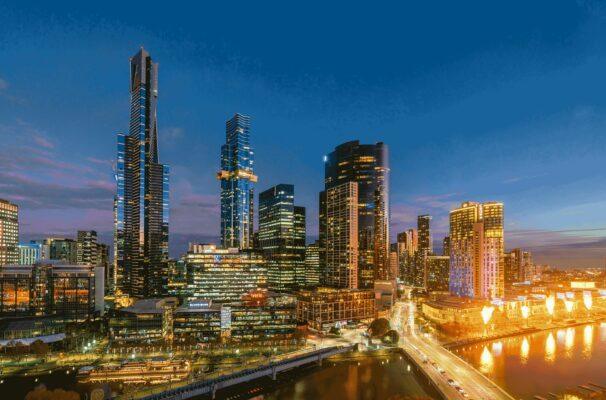
The CBD commands high rents, with 1-bedroom apartments ranging from AUD $430–600 per week and 2-bedroom units at AUD $650–800 per week. The area offers high apartment density, walkability to workplaces and entertainment, and no commuting costs.
The three most popular areas among foreigners in Melbourne are the CBD (the city’s financial hub), Southbank, and the St Kilda Road corridor — all offering modern amenities and apartments. Rental costs in these areas typically range from AUD $2,400–3,200 per month for 1–2 bedroom apartments. The most common nationalities here include Indian, Chinese, British, and American, predominantly working in finance, technology, and professional services.
- Southbank: 1-bedroom apartments rent for around AUD $550 per week; overall median rent is approximately AUD $680–700 per week. Rental yield for units stands at 6.91% — quite attractive for investors.
- Premium apartments in Southbank towers or the CBD can achieve AUD $800+ per week.
- Richmond: Rents from approximately AUD $580 per week, with convenient train access to the CBD within 15 minutes.
- Carlton and Fitzroy: Popular with students and young professionals. Young professionals in Fitzroy, Collingwood, and Richmond typically spend AUD $2,000–2,600 per month on a 1-bedroom apartment.
Outer Suburbs
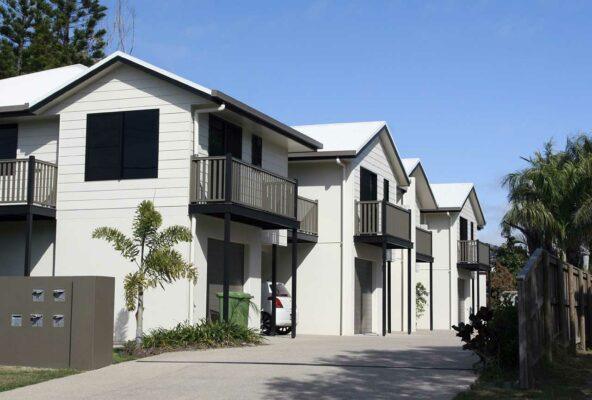
Mid-to-outer suburbs such as Hawthorn, Kew, and Camberwell range from AUD $650–800 per week for a 3-bedroom home — considerably cheaper than comparable inner-city Sydney properties.
More distant suburbs such as Frankston, Craigieburn, and Werribee range from AUD $280–530 per week for 2-bedroom apartments to 3-bedroom houses, suitable for families on tighter budgets.
Notable Market Trends
Apartments Outperforming Houses
With high interest rates limiting purchasing power, apartments have become significantly more attractive. Years of sluggish construction have created a shortage of move-in-ready apartments, while migration and rental demand continue to grow in central areas. This imbalance sets the stage for apartments to potentially outperform houses in price growth in 2026.
Limited New Supply
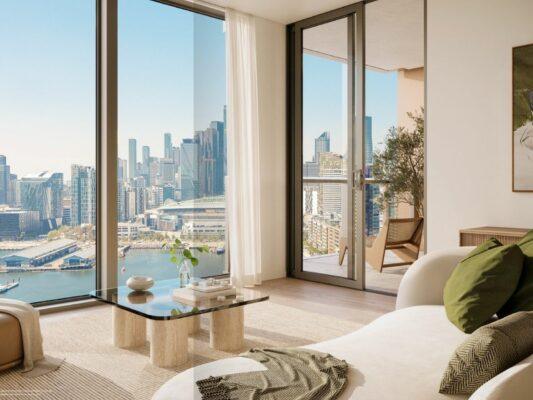
In 2025, approximately 2,700 new apartments were completed in inner Melbourne — a 69% increase on the prior year but still below the 20-year average of 3,600 units per year. Most projects currently under construction are build-to-rent rather than build-to-sell.
Tenancy Law Changes Favouring Renters
From November 25, 2025, Australia officially banned rental bidding: properties must be advertised at a fixed price, and landlords or agents may not solicit, encourage, or accept offers above the advertised price. This regulation is particularly significant in competitive inner-city apartment markets such as the CBD, Docklands, and South Yarra.
Share Houses Growing in Popularity
As rents have climbed, many tenants — particularly students and new arrivals — are turning to share house arrangements. According to a Flatmates.com.au survey of over 10,000 people, a growing number are moving into shared housing amid the cost-of-living crisis and tight rental market. The most expensive room rentals in Melbourne are concentrated in St Kilda, with a median of AUD $490 per week — nearly AUD $2,000 per month for a single room.
Market Outlook for 2026 and Beyond
Rental growth in Melbourne is forecast at 0–3% for the full year 2026, reflecting a market that has largely stabilised after years of strong increases.
Victoria’s population is expected to surpass 7 million within the next few years, with Melbourne absorbing the bulk of that growth. Australia is on track to face a shortfall of approximately 426,000 homes against its national target by 2029, and Victoria bears significant pressure within that figure.
As migration continues and international students and foreign professionals return in growing numbers, demand for well-located apartments is expected to strengthen further. Price growth here is unlikely to surge dramatically, but should remain steady and sustainable.
More projects for you to see in Melbourne, check it out now:
VERDÉ – The Green Oasis at the Heart of Melbourne’s Arts Precinct
Wattle House — Premium Terrace Homes on Melbourne’s Western Riverside