

 VN
VNNo products in the basket.
Every year, thousands of students arrive in Melbourne chasing a place at one of the world’s top universities. For many, RMIT is that destination — and not just because of its academic reputation. Where it sits in the city matters just as much as what happens inside its lecture halls.
But once the university question is settled, another one quickly takes its place: where do you actually live? What makes the rent worth paying? And is there a smarter way to approach four years of housing costs altogether?
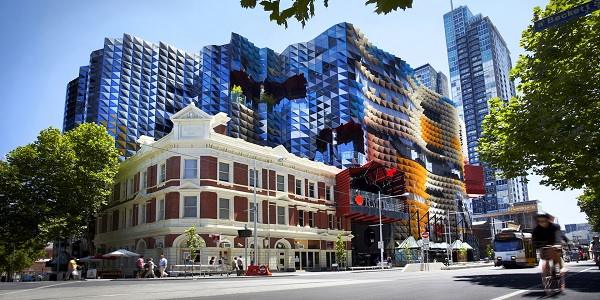
RMIT: 130+ Years of Producing People Who Lead
Founded in 1887 as the Royal Melbourne Institute of Technology, RMIT has grown from a local trade school into one of the world’s leading research universities, enrolling over 96,000 students annually across its Melbourne campuses, Vietnam, and globally.
In the QS World University Rankings 2025, RMIT consistently places among the institutions most valued by employers — a signal that its graduates don’t just earn degrees, they get hired. For Vietnamese families in particular, RMIT carries additional weight: it has operated campuses in Vietnam since 2001, making it the first fully foreign-owned university licensed there. Many Vietnamese students encounter RMIT’s academic environment at home before ever setting foot in Melbourne.
A Campus Built Into the City
What makes RMIT’s City Campus genuinely unusual is how thoroughly it integrates with Melbourne itself. Spread across Swanston, La Trobe and Bowen Lane — minutes from Flinders Street Station and Bourke Street Mall — this isn’t a university tucked away on the outskirts. Step outside a lecture theatre and you’re already standing in the middle of Australia’s financial and commercial heart.
That proximity to real professional life is built into the education itself. RMIT’s strongest programs — design, architecture, engineering, IT, business and communications — are structured around practical application. Students move regularly between classroom projects and real industry through internships and direct corporate partnerships.

The Real Cost of Four Years in Melbourne
Melbourne consistently ranks among the world’s most liveable cities, which also makes it one of Australia’s most expensive. International students at RMIT typically budget between $2,500 and $3,500 AUD per month for living expenses, with rent taking up the largest share by far.
Run that across a four-year degree and the numbers are hard to ignore: a family could easily spend $80,000 to $100,000 AUD on rent alone — enough for a deposit on a Melbourne apartment, or a meaningful contribution toward ownership. This is precisely the calculation a growing number of Vietnamese families are making. Rather than paying someone else’s mortgage for four years, they buy a property, let their child live in it while studying, then rent it out or sell once the degree is done. It’s not a complicated strategy. It just requires thinking about accommodation as an asset rather than an expense.
Docklands: The Obvious Choice for RMIT Students
If you’re going to study at RMIT and you want the best mix of convenience, liveability and investment sensibility, Docklands is the strongest answer.
Tram lines 11 and 48 run directly from Docklands along Collins Street through the CBD, connecting straight to La Trobe Street — the road that runs along RMIT’s front entrance. Door to campus takes 10–15 minutes. That’s faster than most popular student housing options in the city.
Docklands also tends to be underestimated. It’s not the quiet, underdeveloped waterfront it was a decade ago. Today it’s one of Melbourne’s most active urban precincts, with restaurants, cafés, supermarkets, cinemas, and a marina all within walking distance — the kind of environment that suits both young students and families looking for a relaxed but well-connected base.
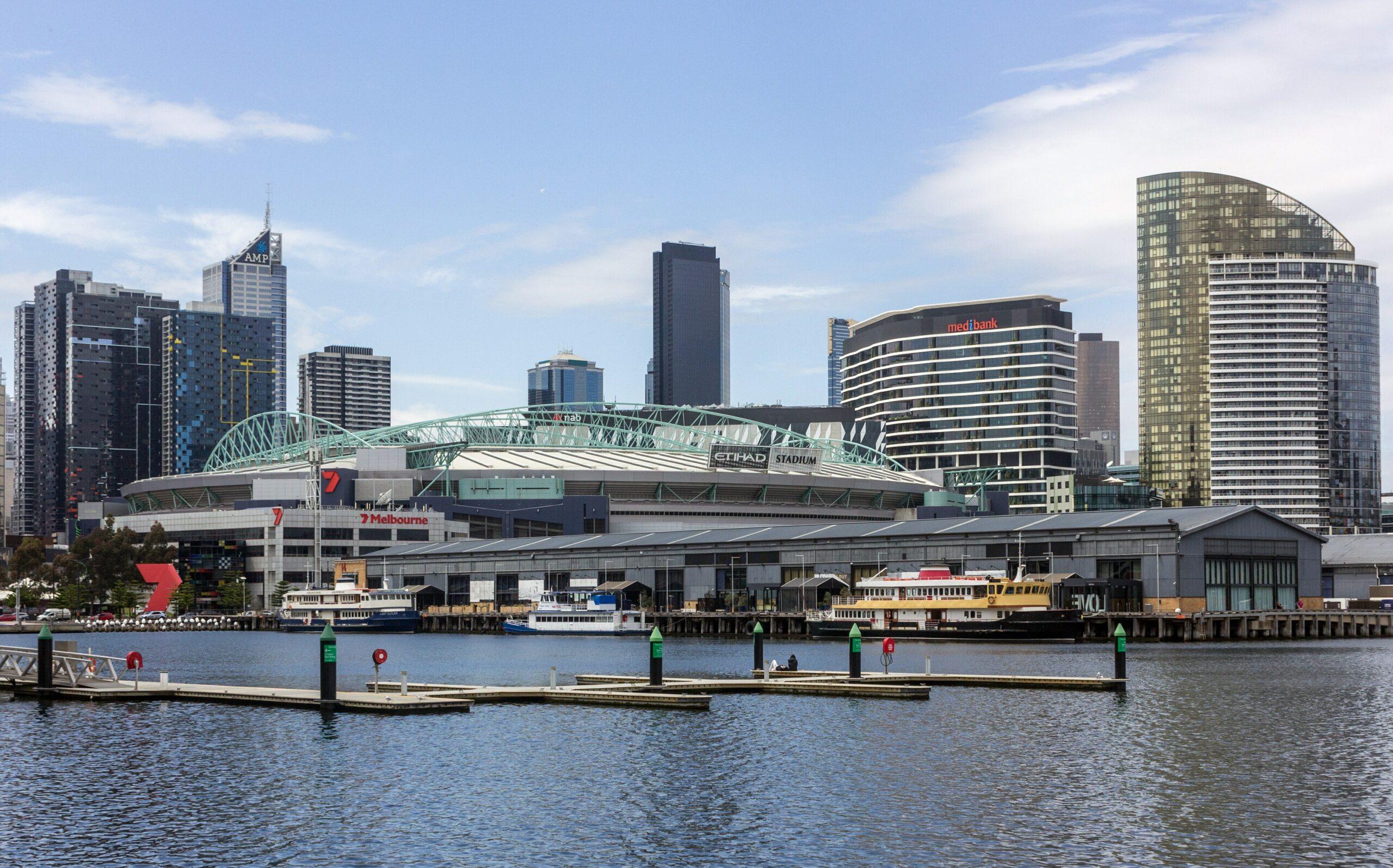
Collins Wharf Collection: Where Lifestyle and Investment Align
For families seriously weighing up the buy-vs-rent question, Collins Wharf Collection keeps coming up — and for good reason.
The development comprises three towers — Regatta, Ancora and Aluna — positioned right on Collins Wharf in Docklands. It combines two things that rarely coexist in the same project: a few minutes’ walk to the tram stop with a direct line to RMIT, and dual waterfront views across Victoria Harbour and the Yarra River.
The newest tower, Aluna, starts from $580,500 AUD (around 10.6 billion VND) for a studio — a realistic entry point for families thinking about ownership rather than just occupancy. Rental yield potential reaches up to $750 AUD per week, and the title structure is freehold under Australian law, offering full and permanent ownership protection. A $5,000 AUD deposit secures your place.
For any family currently supporting a student at RMIT — or planning to — Collins Wharf Collection is worth looking at seriously. Not as accommodation, but as one of the cleaner international investment opportunities available right now.
Collins Wharf Collection – Exclusive luxury apartments in the heart of Melbourne.